
"Arabian coffee"
4000 article(s) found

Characteristics and Flavor description of Ugandan Coffee Bean Variety
For the exchange of professional baristas, please follow the Coffee Workshop (Wechat official account cafe_style) this batch of Ugandan Bugishu AA is very different from the Kenyan beans in neighboring countries. The acidity is not so bright, and it is not as good as the wine, sweetness and spices that occasionally appeared in the early Bugishu, but the body is as good as the Kenyan beans that arrived this year! Bugishu (or Bugisu), which happens to be

The meaning represented by common patterns of Arabian coffee divination
The meaning represented by common patterns is that animals or trees with four legs usually represent success, such as promotion at work, success in exams, and attainment of fame. The appearance of heart-shaped Y usually indicates the coming of love, if there is a heart in the cup, the person who has no object "means that there will be love coming, but if there is a partner at present, it means that the other person will give up his heart to love you. If there are two in the cup
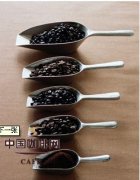
Uganda single bean coffee bean flavor description baking recommended production area distribution and planting history
The exchange of professional baristas please pay attention to the coffee workshop (official Wechat account cafe_style). In the new season of 2010, the coffee produced by the Bugisu producing area is AA, and the coffee raw beans are dark green. From the appearance of the raw beans, it can be seen that the traditional Arabica beans are about 1819 mesh big.

Introduction to the treatment method of planting and Development History of Ugandan Coffee single Bean Flavor description
For professional baristas, please follow the coffee workshop (Wechat official account cafe_style) Ugandan coffee in Uganda, Arabica beans account for only 10% of the country's total coffee production, but it is enough to attract attention. The best coffee in Uganda is mainly produced in the mountains of Elgon and Bugisu along the Kenyan border in the north, as well as
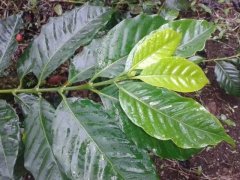
How many varieties are there in Arabica beans? are Jamaica Blue Mountains and Kona Arabian varieties?
Do you have different kinds of Arabica coffee beans? Arabica coffee beans have a large family and grow dozens of varieties. Some of these varieties are unique in specific coffee-growing areas, while others are grown in many parts of the world. Here are some of the most common types of Arabica coffee. Typica:Typica is considered to be one of the earliest varieties of coffee, and today it is still

Description of planting Information and Flavor of single Coffee Bean grading Standard in Uganda
For the exchange of professional baristas, please pay attention to the coffee workshop (Wechat official account cafe_style) several kinds of coffee beans in Arabica (ARABICA) Uganda coffee grade is the same as Kenya. The AA grade is the best, which represents the uniform and uniform size of coffee beans, but the grading system will vary according to the evaluation of each manor. for example, Manor An is better than Manor B, even if it is superior to Manor B.

Which country invented mocha coffee? where is the location of Yemeni coffee?
Professional coffee knowledge exchange more coffee bean information please follow the coffee workshop (Wechat official account cafe_style) Yemen is located in the southwestern tip of the Arabian Peninsula, adjacent to Saudi Arabia and Oman, bordering the Red Sea, the Gulf of Aden and the Arabian Sea. Yemeni mocha coffee is the oldest coffee in the world, and Yemen is one of the first countries in the world to grow coffee. It is said that as early as 1561 AD, Zheng he

Coffee flavor reflects what coffee should have and how to know the quality of coffee.
Coffee (scientific name: Coffea arabica), also known as coffee tree, Arabica coffee, etc., is the national flower of Yemen. Before the 6th century AD, Yemen was called Arabian, so the coffee trees shipped from them to other places were also called Arabian coffee trees. The name coffee comes from the Arabic Qahwah, which means plant drink. Later, coffee spread all over the world, and

Introduction to the production process of coffee beans
Arabian, Robusta and Librian Arabian coffee account for about 2% of the world's coffee production. The plant is not suitable for high temperature, low temperature, more rain and less rain. Coffee beans are oval and flat, with high quality and rich aroma. Robusta coffee has a strong bitter taste, no sour taste, and the flavor is not very good, so it is better to be mixed than to be used alone.

Processing method for describing the characteristics of Information and Flavor in the planting area of single Bean and Coffee Bean in Uganda
Professional barista exchanges please pay attention to the coffee workshop (Wechat official account cafe_style) Uganda's geographical conditions and climate: Uganda is an inland locked country, not by the sea, but there is a Weidoria Great Lake, neighboring Kenya to the east, Zaire to the west (now the Republic of the Congo), Sudan to the north and Tanzania to the south, due to the high mountains in the country and the adjustment of Lake Weidoria.

What are the types of coffee pots and their instructions
Coffee beans have spread from the Arab region to all parts of the world, but the method of making Arabian coffee has not spread. The most basic difference between Arabian coffee making and other methods is that according to tradition, Arabs boil coffee three times. Repeatedly brewed coffee will lose some very delicate taste, but as a result, it will win a rare espresso. Arabica coffee

Origin of coffee Yemeni Coffee | what is the flavor of Yemeni mocha coffee | Yemeni mocha coffee
Professional coffee knowledge exchange more information about coffee beans Please follow the coffee workshop (Wechat official account cafe_style) when it comes to the source of coffee, everyone can think of it is from Ethiopia. But the origin of coffee as a drink and transported around the world is from Yemen in the Arabian Peninsula! With regard to the place of origin of coffee, it is generally believed to be Yemen or Ethiopia

The spread of coffee in China and the development of coffee shop culture
The development of coffee in China according to historical records, coffee was first planted in Taiwan in 1884, which opened the prelude to the development of coffee in China. The earliest coffee cultivation in mainland China began in Yunnan, when a French missionary brought the first coffee seedlings to Binchuan County in Yunnan Province at the beginning of the 20th century. For nearly a hundred years after that, coffee was only a star in the vast territory of China.

The production process of coffee beans introduction to the types of coffee beans
Arabian, Robusta and Librian Arabian coffee account for about 2% of the world's coffee production. The plant is not suitable for high temperature, low temperature, more rain and less rain. Coffee beans are oval and flat, with high quality and rich aroma. Robusta coffee has a strong bitter taste, no sour taste, and the flavor is not very good, so it is better to mix it than to use it alone.
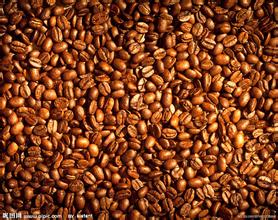
Introduction to Yemeni Coffee Bean Flavor characteristics, Variety characteristics, Grinding scale treatment method
Yemeni coffee bean flavor characteristics characteristics of coffee varieties grinding scale method Manor introduction the ancient Yemeni city of Aden is located at the southwest end of the Arabian Peninsula, guarding the gateway from the Red Sea to the Indian Ocean, known as the key point of maritime traffic in Europe, Asia and Africa. Aden, 363 kilometers south of the capital Sana'a, is located at the southern tip of the Arabian Peninsula, overlooking the Indian Ocean, and is the heaviest in southern Yemen.

A brief introduction to the production of Coffee beans
A coffee tree can harvest 3-5 kg of fruit, and raw coffee beans account for 1. 5% of the fruit quality. Going from fruit to raw coffee beans is really a time-consuming and laborious task. The production process of coffee beans Arabian coffee, robusta coffee and Libaria Arabian coffee account for about 2% of the world's coffee production. The plant is not suitable for high temperature, low temperature, more rain and less rain. Coffee beans are
Basic knowledge of coffee from fruit to raw coffee beans
A coffee tree can harvest 3-5 kg of fruit, and raw coffee beans account for 1. 5% of the fruit quality. Going from fruit to raw coffee beans is really a time-consuming and laborious task. Arabian, Robusta and Liberian Arabian coffee account for about 2% of the world's coffee production. The plant is not suitable for high temperature, low temperature, more rain and less rain. Coffee beans are oval and flat, with high quality

The originator of coffee trade: the history of Yemeni mocha coffee the origin of the name of Yemeni mocha coffee
Professional coffee knowledge exchange more coffee bean information please follow the coffee workshop (Wechat official account cafe_style) Yemen is located in the southwestern tip of the Arabian Peninsula, adjacent to Saudi Arabia and Oman, bordering the Red Sea, the Gulf of Aden and the Arabian Sea. Yemeni mocha coffee is the oldest coffee in the world, and Yemen is one of the first countries in the world to grow coffee. It is said that as early as 1561 AD, Zheng he
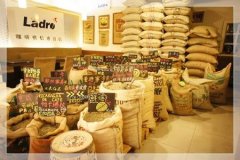
The cultivated varieties of Coffee Tree: small seed and large seed
3. Cultivated varieties (1) small seed species (2) large grain species Coffea belongs to Rubiaceae, Coffea belongs to perennial evergreen shrubs or small trees, there are about 90 species. At present, there are small seed species (Arabian species), medium grain species (Gaffra species) and large grain species (Liberian species) cultivated in Hainan. (1) small seed species: also known as Arabian species, native to Ethiopia, evergreen shrubs. The plant is small, 4cm high and 5m high

Analysis of the process from fruit to raw coffee bean
A coffee tree can harvest 3-5 kg of fruit, and raw coffee beans account for 1. 5% of the fruit quality. Going from fruit to raw coffee beans is really a time-consuming and laborious task. Arabian, Robusta and Liberian Arabian coffee account for about 2% of the world's coffee production. The plant is not suitable for high temperature, low temperature, more rain and less rain. Coffee beans are oval and flat, with high quality